
body{background:linear-gradient(180deg,#1a1a2e 0%,#16213e 50%,#0f3460 100%);font-family:’Georgia’,serif;color:#2c3e50;line-height:1.8}
.hyat-en-wrap{max-width:780px;margin:0 auto;padding:20px}
.hyat-en-header{background:linear-gradient(135deg,#0f3460 0%,#16213e 50%,#1a1a2e 100%);color:#fffef7;text-align:center;padding:30px 20px;border-bottom:3px solid #ffd700}
.hyat-en-header h1{font-family:’Playfair Display’,serif;margin:8px 0}
.hyat-en-date{font-family:’Courier Prime’,monospace;color:#ffd700}
.hyat-en-sec{background:#fffef7;border-left:4px solid #0f3460;padding:18px 22px;margin:18px 0}
.hyat-en-sec h2{font-family:’Playfair Display’,serif;color:#0f3460}
.hyat-en-sec p{color:#2c3e50}
.hyat-en-note{color:#555;font-size:0.9em}
.hyat-en-table{width:100%;border-collapse:collapse}
.hyat-en-table th{background:#0f3460;color:#fffef7;padding:8px}
.hyat-en-table td{border:1px solid #16213e;padding:8px;color:#2c3e50}
.hyat-en-photo{text-align:center;margin:16px 0}
100 Years Ago Today
Hook Opening: A Sunday Between Two Worlds
On the last day of October 1926, one man’s life ended in a Detroit hospital, and a colony kept going about its Sunday on the other side of the world. As you wind down your day, here is a straightforward admission: we could not locate the Seoul newspapers for this date. What we can offer is a month in review, built only from what sources confirm. We have left the weather out because we found no record of it.

Korea Under Colonial Rule: A Month After the Grand Opening
Exactly one month earlier, on October 1, the colonial authorities marked “Administration Day.” According to the National Archives of Korea, the new Government-General headquarters, built over roughly ten years in front of Gyeongbokgung Palace, held its completion ceremony that day. Sources disagree on when it began operating (December 1925 versus January 1926), so treat that detail with caution.
The building’s footprint came at the palace’s expense. The Heungnyemun gate area was cleared, and Gwanghwamun, the palace’s main gate, was relocated. Accounts differ on where it was moved, so we do not assert a location. How Seoul’s residents felt looking up at that stone façade, we could not confirm from any record found.
That same day, the Danseongsa theater in Seoul premiered a silent film, Arirang, directed by and starring Na Un-gyu. A live narrator, a byeonsa, voiced the story. Multiple accounts say audiences wept and sang the folk song along as the film ended. Attendance figures: not confirmed.

Across the Peninsula: The Aftershocks of June 10
The year 1926 began under the shadow of Emperor Sunjong’s death, the last ruler of the Joseon dynasty. Organizers tied to the Korean Communist Party planned a demonstration for his funeral day, June 10, but the plot was partly uncovered. One source records that Kang Dal-yeong and some 40 others were arrested on August 10. That is an August record. We found nothing reliable about arrests or trials in late October, so we claim none.
East Asia in Turmoil: The Northern Expedition
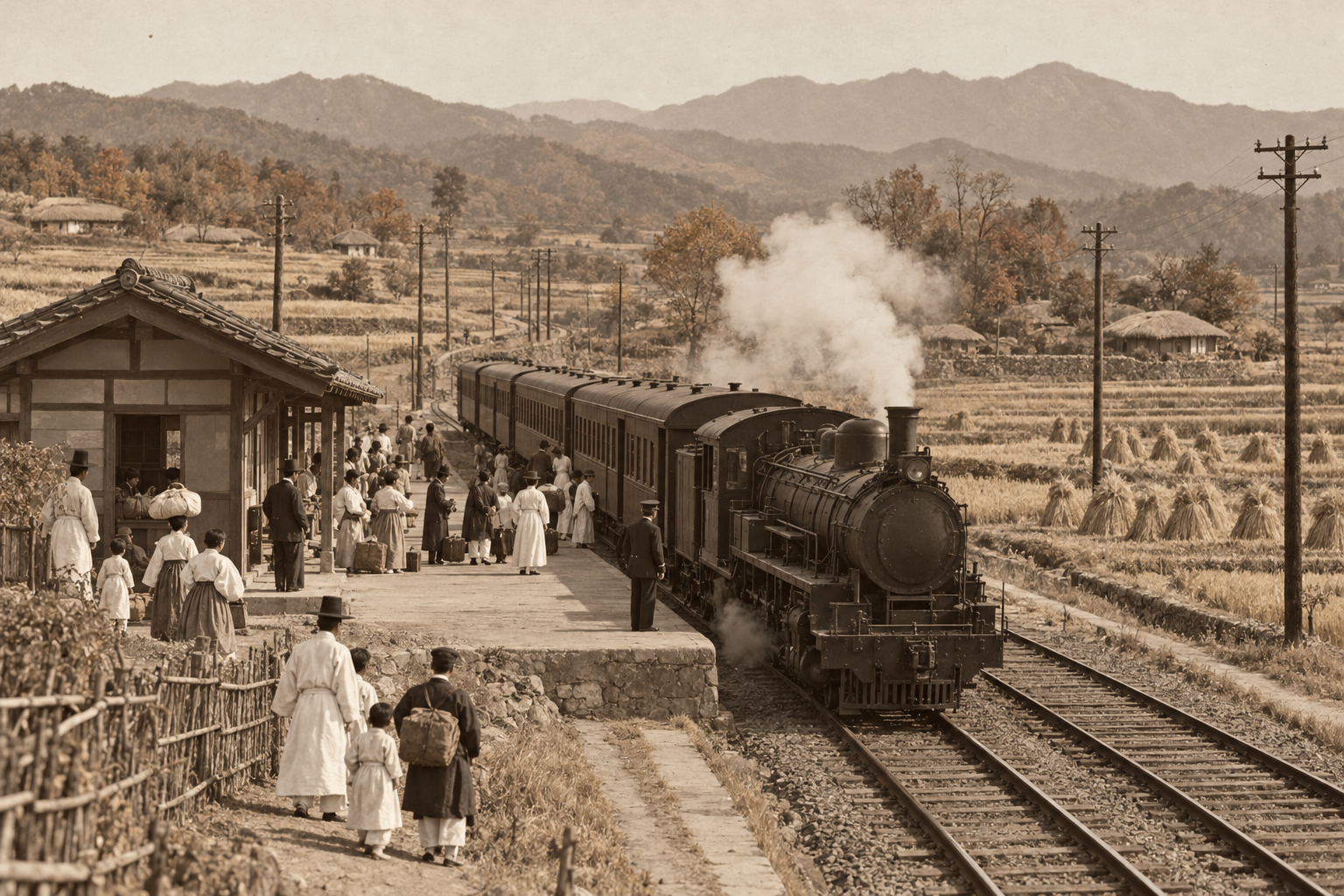
In China, the Nationalist army’s Northern Expedition was advancing. Sources say Wuchang fell on October 10, the anniversary of the 1911 uprising, and the Nationalist government would relocate to Wuhan in December. The long Canton-Hong Kong strike also ended in October. For Koreans in exile and for independence activists, a stronger China was no small matter, though we found no specific reaction for this date.
The World Stage: London and Detroit
In London, the Imperial Conference had been in session since October 19. On October 25, a committee under Lord Balfour was formed to define relations within the British Empire. Its report, issued in November, described Britain and the Dominions as autonomous communities, equal in status.
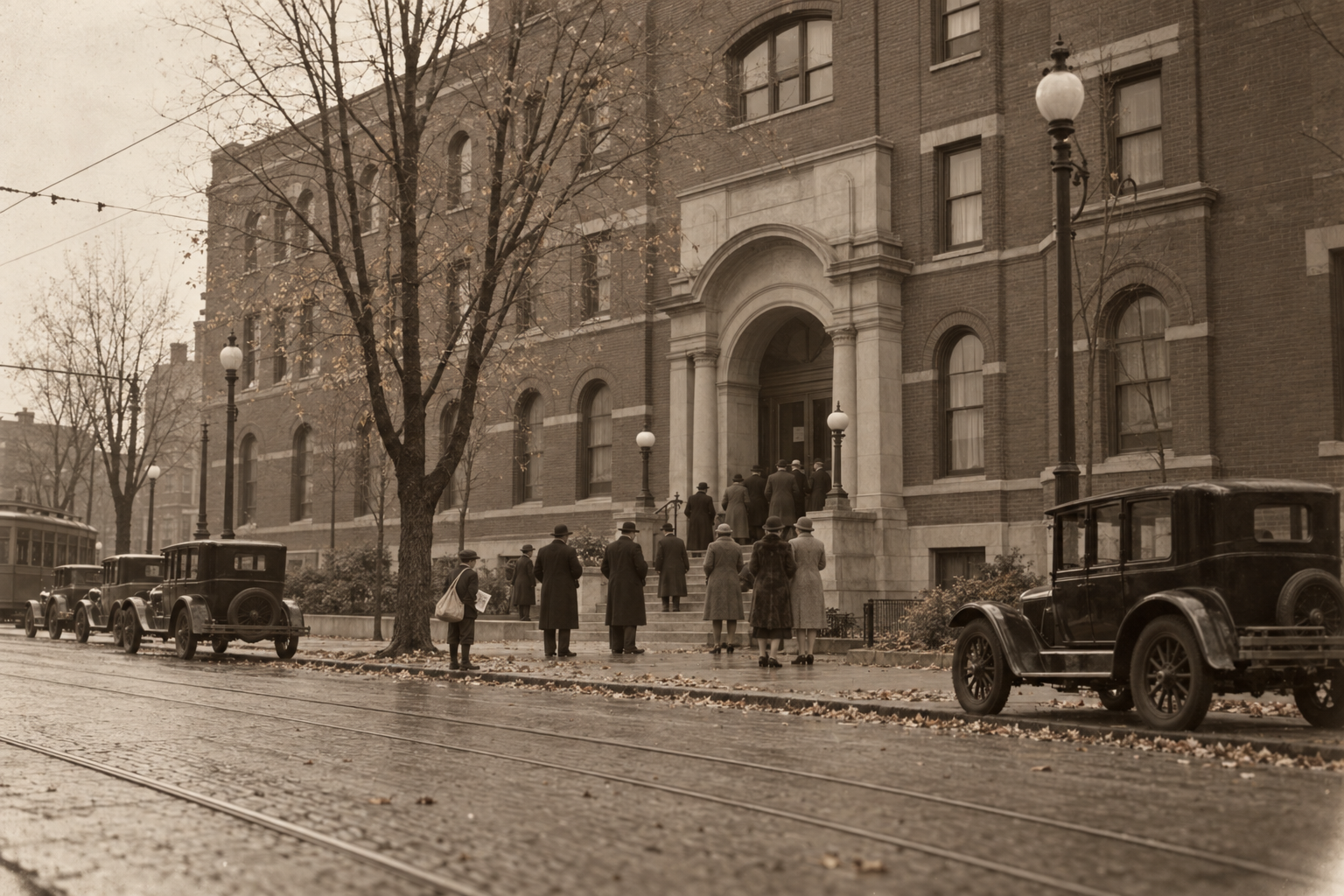
In Detroit, Harry Houdini died at Grace Hospital on Sunday, October 31, reportedly at 1:26 PM local time. He had performed at the Garrick Theatre on October 24 with a fever, then collapsed. Doctors found appendicitis and peritonitis. A blow to the stomach by a McGill student in Montreal on October 22 is often blamed, though that remains a belief of historians and doctors, not a proven fact. When the news reached Seoul, we could not confirm.
Colonial Parallels: Equal Status, for Some
The London conference makes a sharp contrast. The Dominions, self-governing and largely white-settler societies, were being recognized as equals. Korea, annexed in 1910, had no such path. We draw this contrast from the conference record and Korea’s status, not from any commentary of the time. We did not search for or confirm how any Korean newspaper treated the Balfour discussions.
Person of the Day: Na Un-gyu
Na Un-gyu was both director and lead of Arirang. The film made its debut at Danseongsa on October 1, 1926, and accounts describe it as a landmark of Korean cinema. Its reception, as audiences singing along, comes down to us in accounts rather than in the day’s newspaper pages, which we have not seen.
Understanding Daily Life: What We Cannot Say
We will not invent a Sunday for Seoul. We do not have confirmed prices, weather, or street scenes for October 31. We can say that the theaters had a new, much-discussed film that month. Anything beyond that would be guesswork, and this series does not guess.

Century Mirror
| Topic | 1926 | 2026 |
|---|---|---|
| Cinema | Silent film with a live narrator | Sound, subtitles, global simultaneous release |
| Palace grounds | Government-General building in front of the palace | Palace restored; the gate back in place |
| World news | Houdini’s death arrives over days | Minutes |
Today, a century later, Korea marks the 100th anniversary of Arirang. K-culture is global, but its roots include a silent film and a folk song sung in a dark theater under colonial rule. The building raised by force is gone. The song remains.

Tomorrow’s Preview
Tomorrow is Monday, November 1. Tonight, rest well. At 10:10, we will be back.
Sources: National Archives of Korea (Government-General building overview); accounts of the October 1, 1926 premiere of Arirang; CBS Detroit and FOX reporting on Houdini’s death; Open University materials on the 1926 Imperial Conference; accounts of the Northern Expedition. Primary newspaper pages for October 31, 1926 were not located.

⇓ PNG 다운로드
스마트폰의 WIA Code 스캐너로 이 화면을 약 158초 비추면 기사 전체가 폰에 저장됩니다 — 인터넷 없이 읽을 수 있습니다. WIA Code 스캐너 열기
This code contains the original Korean article.





답글 남기기
댓글을 달기 위해서는 로그인해야합니다.