
100 Years Ago Today · Evening Edition
Monday, November 1, 1926 · 10:10 PM KST (1:10 PM UTC)
10:10 – As the clock smiles, reflect on a century of history
1. Evening Opening
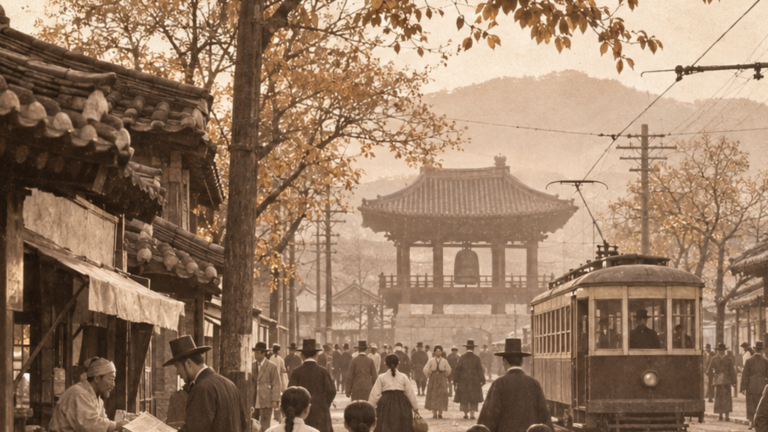
As you wind down your day, travel back to Monday, November 1, 1926. In Korea it is Taisho 15, the fifteenth year of the Japanese imperial calendar. Seoul, then called Gyeongseong, is a colonial capital in late autumn. We found no weather record for this date, so we will not invent one. We also found no surviving report of this day’s front pages in Korean newspapers, and we will say so plainly wherever the record is thin. Mondays in this series follow people, and tonight there are two stories: a magician whose death stunned the West, and a small group of scholars who spent the year trying to protect a language.

2. Korea Under Colonial Rule
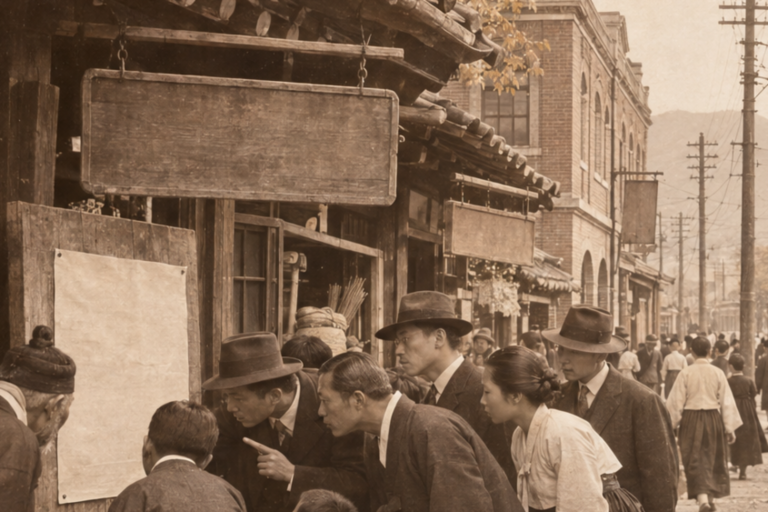
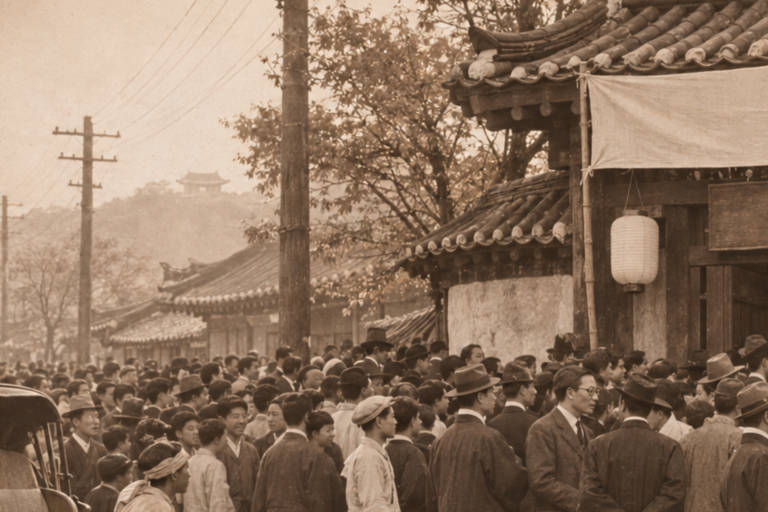
Korea had been a Japanese colony since 1910. The Governor-General’s office, under Saito Makoto, controlled policing, schooling and the press. In June of this year, the funeral of the last emperor, Sunjong, became the occasion for the June 10th Movement, a student-led demonstration. It was smaller than the 1919 March First Movement, and surveillance tightened afterward.
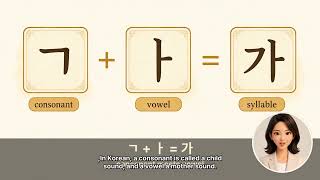
Against that backdrop, the Joseon Language Society was preparing something modest and lasting. On November 4, 1926, three days after our date, the Dong-a Ilbo carried a report on page 5 about the first “Gagya Day,” marking the 480th anniversary of the proclamation of Hunminjeongeum, the Korean alphabet. The day would later become Hangul Day. We could not confirm what preparations looked like on November 1 itself, so we describe none.

3. East Asia in Turmoil
In China, the Northern Expedition of the Nationalist army was pushing north from the south, one of the defining movements of the decade. In Japan, the Taisho era was entering its final weeks, and November 3 was kept as a national holiday for the Meiji emperor’s birthday. Colonial offices in Seoul followed the Japanese calendar. These are the surrounding currents, not events we can pin to November 1 itself.
Inside Korea, the Chongwoohoe, a socialist group, would issue a declaration later in November. It is often seen as a step toward the united front of nationalists and socialists, the Singanhoe, founded in February 1927.

4. The World Stage
The biggest story in Western papers that Monday was the death of Harry Houdini, who died on October 31 in a Detroit hospital. He had been struck in the stomach days earlier, and a ruptured appendix is the cause usually given. The man famous for slipping out of chains and locked boxes could not escape this.
In London, the Imperial Conference of Britain and its dominions was under way, with sessions running from October into late November. In Moscow, Leon Trotsky had just been removed from the Politburo. Those are the turning points of the season. We did not confirm which of them reached Korean readers on this day.

5. Colonial Parallels
Language was a contested ground in many empires. In Ireland, the Gaelic revival had been tied to independence politics for decades. In British India, debates over which languages schools should teach ran through nationalist politics. In the Philippines under American rule, English had become the language of schooling. Korea’s case was sharper still. By the 1920s the colonial school system taught Japanese, and Korean-language societies treated spelling standards and dictionaries as acts of preservation. We rely here on well-known general histories rather than any source dated November 1926.
6. Person of the Day
A fitting figure for a Monday is the Korean linguist Ju Si-gyeong, who died in 1914, twelve years earlier. He was a pioneer in standardizing the writing of Korean, and his students carried on his work into the Joseon Language Society. We could not tie him to events on November 1, 1926. He stands here for the people whose work made Gagya Day possible.

7. Understanding Daily Life
A record of ordinary life on this specific day did not turn up, and prices and wages are not documented in anything we confirmed. What we can say is what the calendar suggests. On October 1, the film Arirang by Na Un-gyu had opened at the Dansungsa theater in Seoul, so on November 1 it was about a month old. Where it was playing on this date, we could not confirm.
8. Century Mirror
A hundred years on, Korean is written on screens around the world, and Hangul Day, October 9, is a national holiday. In 1926, the first public celebration was a small gathering reported on page 5. The modern wave of K-pop and K-drama carries that same alphabet to millions of fans who learn it to read lyrics. News then crossed oceans in a day or two. Today it takes seconds, yet the question of who gets to speak and write in their own language is no less alive.

9. Tomorrow’s Preview
Tomorrow is Tuesday, November 2, 1926, and our theme is law and order. Until then, good night.
Sources: Dong-a Ilbo, November 4, 1926, page 5 (Gagya Day report, confirmed through secondary citation); general historical records on Houdini’s death and the Imperial Conference. Items we could not verify are flagged in the text.

⇓ PNG 다운로드
스마트폰의 WIA Code 스캐너로 이 화면을 약 145초 비추면 기사 전체가 폰에 저장됩니다 — 인터넷 없이 읽을 수 있습니다. WIA Code 스캐너 열기
This code contains the original Korean article.



답글 남기기
댓글을 달기 위해서는 로그인해야합니다.